
Why Many College Students Feel Mentally Exhausted by Online Classes
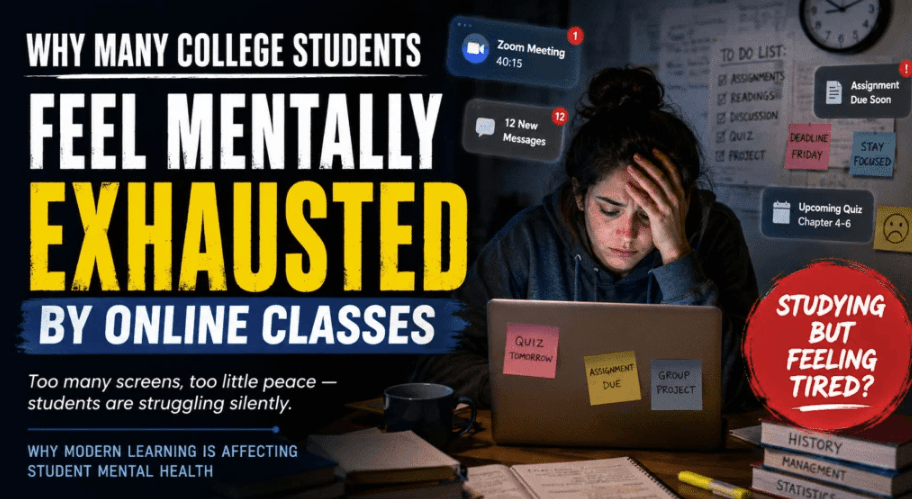
Online education has become a normal part of college life in the United States. Many universities now offer virtual courses because they provide flexibility and convenience for students. While online learning can help students save time and study from anywhere, it has also created new mental health challenges that many people did not expect.
For thousands of college students attending virtual lectures every day feels mentally draining. Long hours in front of screens, isolation from classmates and constant academic pressure can quickly lead to stress and emotional exhaustion. Students who once enjoyed learning in traditional classrooms now struggle to stay focused and motivated in online environments.
Many students today look for ways to manage academic pressure more effectively. Some even search for services where they can pay someone to do my online class through Myassignmenthelp.com while balancing work schedules, family responsibilities and demanding college assignments.
Online learning may appear easier from the outside, but the reality is very different for many students. Mental exhaustion from virtual classes is becoming increasingly common across colleges and universities in the USA.
The Lack of Daily Structure Increases Stress
Traditional classrooms naturally create routines that help students stay disciplined and focused. Online classes remove much of that structure, making it harder for students to maintain healthy study habits.
Students Often Struggle With Time Management
In physical classrooms, students follow fixed schedules every day. They attend lectures at specific times, travel to campus and interact with professors face-to-face. Online learning creates more freedom but too much flexibility can become a problem.
Many students procrastinate because there is less accountability at home. Assignments and lectures can easily be delayed, leading to last-minute stress and poor academic performance.
Home Environments Are Full of Distractions
Studying from home is not always ideal. Students deal with social media notifications, television, household noise and family responsibilities while trying to attend classes online.
These distractions reduce concentration and make learning more difficult. Over time constantly switching attention between tasks can mentally exhaust students.
Poor Routines Affect Mental Energy
Without structured schedules many students develop unhealthy sleeping patterns. Staying awake late at night, skipping meals and studying irregularly can negatively affect mental focus and emotional well-being.
Students who do not follow consistent routines often feel tired even before classes begin.
Too Much Screen Time Creates Mental Fatigue
One of the biggest reasons students feel exhausted by online learning is excessive screen exposure. Virtual education requires students to spend most of their day using digital devices.
Long Hours Online Reduce Concentration
College students often attend several online lectures in one day. After classes, they continue using laptops for assignments, research and communication with professors.
Spending too much time staring at screens reduces concentration and increases mental fatigue. Students may begin feeling emotionally drained after only a few hours of virtual learning.
Digital Eye Strain Causes Physical Exhaustion
Many students experience headaches, dry eyes and blurred vision after attending online classes for long periods. These physical symptoms can also affect emotional health and productivity.
Unlike classroom learning, virtual education rarely gives students opportunities to move around naturally throughout the day.
Online Learning Affects Sleep Quality
Blue light from screens can interfere with sleep patterns. Students who spend late nights studying online often struggle to fall asleep properly.
Poor sleep makes it harder to focus during lectures and increases feelings of stress and frustration.
See also: Instagram Marketing Strategies for Small Businesses
Social Isolation Makes Students Feel Disconnected
College life is about more than academics. Students also build friendships, participate in campus activities and develop social skills through everyday interaction.
Virtual Learning Reduces Human Connection
Online classes limit face-to-face communication between students and professors. Many students spend entire days studying alone in their rooms without meaningful interaction.
This lack of social connection can increase feelings of loneliness and emotional exhaustion.
Group Discussions Feel Less Natural Online
In physical classrooms students can ask quick questions, share ideas and communicate easily with classmates. Online discussions often feel less engaging because communication happens through screens.
Some students become uncomfortable participating during virtual classes, especially when cameras and microphones are involved.
First-Year Students Face Bigger Challenges
Freshman students entering college online often struggle the most. Many miss important social experiences that help students adjust to university life.
Without strong social connections motivation and confidence can decline quickly.
Academic Pressure Feels Constant in Virtual Learning
Online education creates an environment where students feel connected to coursework all the time. Assignments, lectures and emails are always available online, making it difficult to mentally disconnect from school.
Students Feel Like They Must Always Be Available
Unlike traditional classrooms online courses blur the line between academic life and personal life. Students may receive notifications late at night or feel pressured to respond quickly to messages.
This constant connection to schoolwork can increase stress levels significantly.
Heavy Workloads Lead to Burnout
Some students believe online classes should be easier than physical classes. In reality many online courses involve large amounts of reading, quizzes and assignments.
Trying to keep up with deadlines every week can become emotionally exhausting.
Balancing Work and College Becomes Difficult
Many college students also work part-time or full-time jobs. Managing employment responsibilities alongside online education creates additional pressure and mental fatigue.
Students who constantly multitask often experience burnout faster.
Technology Problems Add More Frustration
Technology helps online education function but technical issues can create additional stress for students.
Internet Problems Interrupt Learning
Weak internet connections can cause students to miss lectures, freeze during discussions or disconnect during important exams.
These interruptions create anxiety and frustration especially during graded activities.
Students Worry About Software Failures
Many online courses use different learning platforms and testing systems. Technical problems with submissions or exam software can increase stress levels dramatically.
Students often worry about losing grades because of technology issues beyond their control.
Not Every Student Has Equal Access
Some students use outdated laptops or unreliable internet services because they cannot afford better technology. Others do not have quiet study spaces at home.
These challenges can make virtual learning much harder for certain students.
Online Exams Increase Anxiety for Many Students
Virtual testing environments create different kinds of stress compared to traditional classroom exams.
Students Fear Technical Errors During Exams
Many students worry about losing internet connection or facing software crashes during important tests. Even small technical problems can affect confidence and concentration.
This fear increases anxiety before exams even begin.
Remote Proctoring Creates Pressure
Some colleges use monitoring software during online exams. Students often feel uncomfortable knowing they are being recorded or watched while taking tests.
This added pressure can negatively affect performance.
Students Search for Better Coping Strategies
Because online assessments feel stressful, many students look for online exam stress solutions that can help them improve focus, reduce anxiety and prepare more effectively for virtual tests.
Managing exam pressure has become an important part of surviving online education.
Motivation Drops Without Classroom Energy
Traditional classrooms create environments that naturally encourage participation and learning. Virtual classes often lack that same energy.
Students Feel Less Engaged During Online Lectures
Watching lectures through screens for hours can feel repetitive and boring. Students may lose interest quickly especially when classes involve little interaction.
Low engagement reduces learning effectiveness over time.
Home Spaces Make Focus Difficult
Studying in bedrooms or shared living spaces can reduce motivation because students associate those environments with relaxation rather than academics.
Creating mental separation between study time and personal time becomes challenging.
Camera Fatigue Is Real
Many students feel uncomfortable staying on camera during virtual classes. Constant self-awareness and screen interaction can become emotionally tiring after long periods.
This experience contributes to overall mental exhaustion.
Mental Exhaustion Can Affect Academic Performance
Mental fatigue does not only impact emotions. It can also reduce academic success.
Concentration Problems Become More Common
Exhausted students often struggle to focus during lectures or while completing assignments. Reading and writing tasks may take much longer than usual.
Reduced concentration increases frustration and stress.
Students Lose Motivation to Participate
Many mentally exhausted students avoid discussion boards, group projects and classroom participation because they feel emotionally drained.
This lack of engagement can affect grades and learning outcomes.
Burnout Creates Long-Term Problems
When stress continues for too long students may experience serious burnout. Some lose confidence in their abilities or begin falling behind academically.
Without proper help emotional exhaustion can negatively affect overall college experiences.
Healthy Habits Can Reduce Online Learning Stress
Although online learning creates challenges, students can take steps to protect their mental health and improve productivity.
Creating a Routine Improves Focus
Following a consistent daily schedule helps students stay organized and mentally prepared for classes.
Simple habits like waking up at the same time each day can improve energy levels significantly.
Taking Breaks Helps the Brain Recover
Short breaks between study sessions reduce mental fatigue and improve concentration. Walking, stretching or spending time away from screens can refresh the mind.
Students should avoid sitting in front of screens for hours without rest.
Physical Activity Supports Mental Health
Exercise helps reduce stress and improves emotional well-being. Even light physical activity can make students feel more energized during busy academic periods.
Healthy lifestyles support better learning outcomes overall.
Colleges Must Understand Student Mental Health Needs
Universities should continue improving help systems for students struggling with online learning stress.
Mental Health Resources Are Important
Counseling services, wellness programs and academic service systems can help students manage emotional challenges more effectively.
Many students benefit from speaking openly about stress and burnout.
Professors Can Create Better Learning Experiences
Interactive teaching methods, flexible deadlines and regular communication can improve student engagement and reduce pressure.
Supportive instructors make virtual learning less overwhelming.
Students Need Realistic Expectations
Online learning is not automatically easier than traditional education. Recognizing the challenges students face can help create healthier academic environments.
Understanding mental exhaustion is the first step toward improving student well-being.
Conclusion
Many college students feel mentally exhausted by online classes because virtual education changes how they learn, communicate and manage their daily lives. Long hours of screen time, social isolation, academic pressure and technology problems all contribute to emotional fatigue.
While online learning offers convenience and flexibility, it also requires strong self-discipline and healthy routines. Without balance, students can quickly become overwhelmed by constant digital interaction and academic stress.
Mental exhaustion among college students should not be ignored. Universities, professors and students themselves must work together to create healthier learning environments that service both academic success and emotional well-being.
As online education continues growing in the United States, understanding these challenges will become even more important for the future of higher education.
Frequently Asked Questions
Why do online classes feel more exhausting than traditional classes?
Online classes often require long hours of screen time, reduced social interaction and constant focus. These factors can increase mental fatigue and emotional stress for students.
How does screen time affect college students mentally?
Too much screen exposure can cause headaches, eye strain, sleep problems and reduced concentration. Over time these issues may negatively affect mental health.
What are some effective online exam stress solutions?
Students can reduce exam stress by following study schedules, taking breaks, practicing mock tests, improving sleep habits and preparing early before exams.
Can online learning reduce student motivation?
Yes. Many students feel less engaged during virtual lectures because online environments often lack classroom interaction and social energy.
How can students stay mentally healthy during online classes?
Creating routines limiting distractions, exercising regularly, taking screen breaks and communicating with service systems can help students maintain better mental health.
Author Bio
Michelle Meng is an education writer who focuses on student life, online learning, academic stress and productivity.