Future Tech Innovations 8553624321 Security
Future tech innovations in security are reshaping how individuals interact with their personal data. Biometric authentication offers seamless access while blockchain technology ensures data integrity and user control. As smart surveillance systems and IoT devices become commonplace, the challenge lies in implementing robust security without infringing on privacy rights. Understanding how these advancements will coexist is crucial for fostering user trust and enhancing protection in an increasingly digital world. What implications could these technologies have for everyday life?
The Role of Biometric Authentication in Future Security
As technology continues to evolve, the significance of biometric authentication in future security systems becomes increasingly evident.
Techniques like facial recognition and fingerprint scanning are reshaping how individuals access services securely. These methods not only enhance user convenience but also provide a robust layer of security, appealing to an audience that values both freedom and protection in an increasingly digital landscape.
How Blockchain Enhances Data Protection and Privacy
While traditional data protection methods often fall short in ensuring privacy, blockchain technology offers a transformative approach that significantly enhances security.
By utilizing blockchain transparency and decentralized storage, data becomes immutable and accessible only to authorized users.
This innovation not only protects sensitive information from unauthorized access but also empowers individuals with greater control over their data, fostering a sense of freedom in digital interactions.
Smart Surveillance Systems: The Future of Monitoring
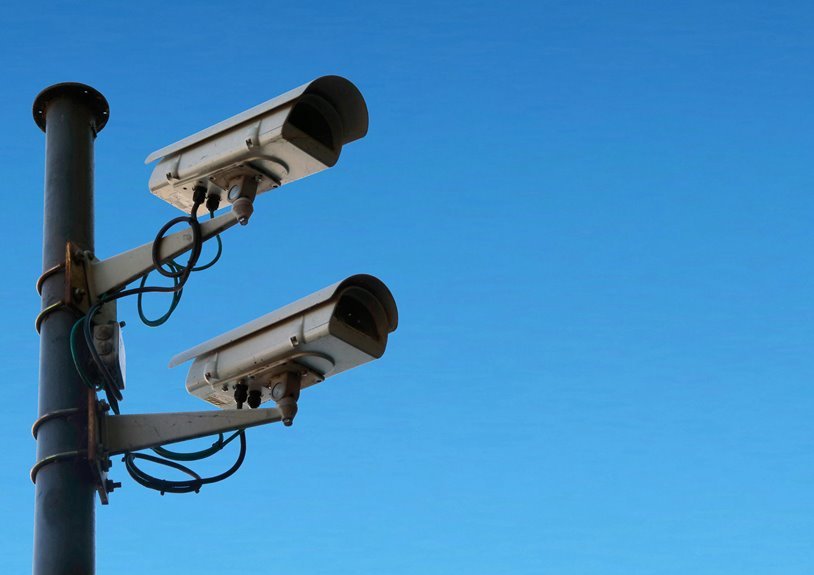
The evolution of technology has not only transformed data protection but also reshaped the landscape of security monitoring through smart surveillance systems.
Utilizing advanced facial recognition and drone technology, these systems offer unprecedented capabilities in real-time monitoring and threat detection.
As privacy concerns rise, the balance between security and individual freedoms becomes crucial, underscoring the need for responsible implementation of these innovations.
The Impact of IoT on Cybersecurity and Device Safety
With the rapid proliferation of Internet of Things (IoT) devices, a pressing concern emerges regarding their implications for cybersecurity and device safety.
IoT vulnerabilities pose significant risks, as inadequate security measures can lead to unauthorized access and data breaches.
Implementing robust device encryption is essential to safeguard user privacy and ensure the integrity of interconnected systems, fostering a safer digital environment for all.
Conclusion
In conclusion, the convergence of cutting-edge technologies heralds a new era of security, where biometric breakthroughs, blockchain benefits, and smart surveillance systems synergize to safeguard sensitive information. However, as innovation accelerates, it is imperative to prioritize privacy and personal freedoms. Balancing the burgeoning capabilities of the Internet of Things with robust cybersecurity measures will be crucial. Ultimately, fostering trust and transparency in these transformative technologies will pave the path for a safer, smarter future.